
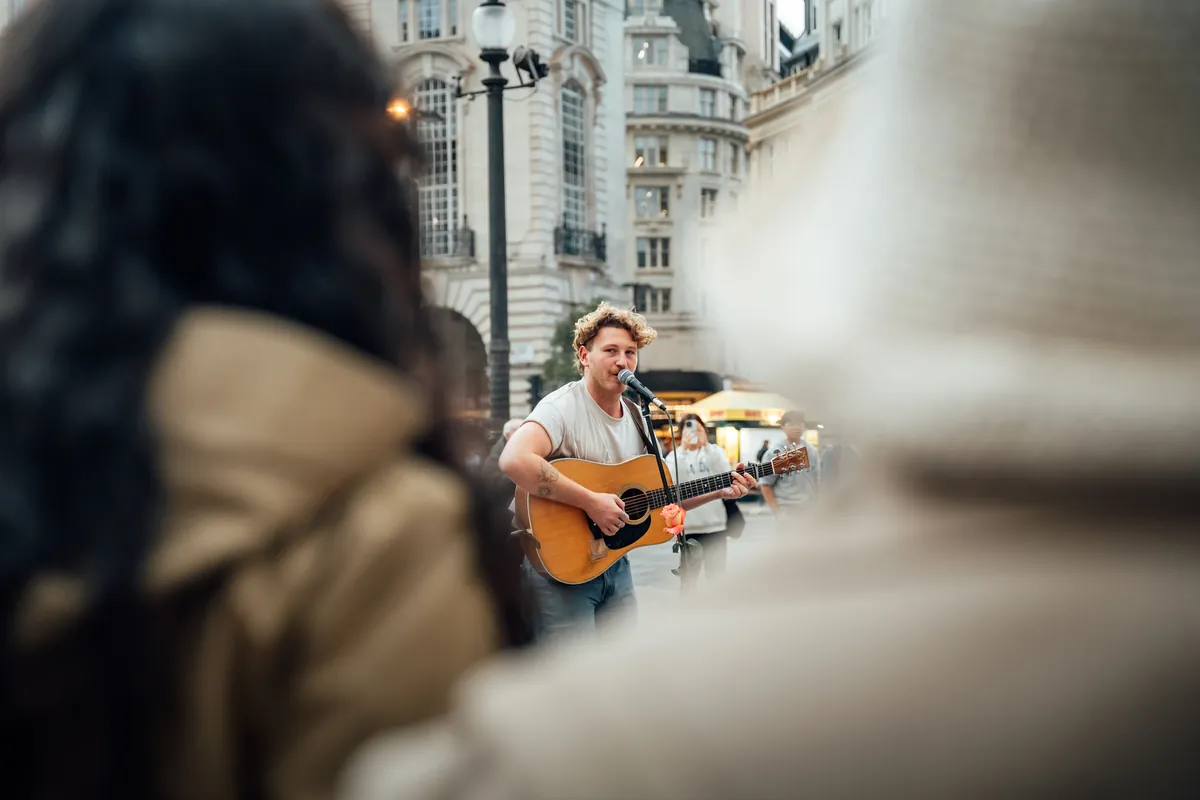
Atlanta Population Growth: How the City’s Rising Numbers Shape Its Entertainment Scene
The city of Atlanta is not only known as a bustling business hub and historical center but also as a vibrant entertainment capital. Over the past decade, atlanta population growth has transformed the city in many ways—from its cultural fabric to its booming film and music industries. Understanding this dynamic helps explain why Atlanta continues to attract creatives, tourists, and new residents alike.
Population shifts influence more than just urban planning or housing markets; they directly impact entertainment choices, venue development, and the type of cultural experiences you can find. Whether you’re a longtime resident or a visitor curious about the changing face of Atlanta, tracking the city’s population trends reveals exciting opportunities and challenges within its entertainment landscape.
Why Atlanta Population Growth Matters to Entertainment
Atlanta’s growth is more than just a number; it’s a story about who lives there and what they want to see and experience. A rising population often means diverse tastes and new demand for entertainment options ranging from live music to film festivals, theaters, and sports events.
As more people move into the city and its metropolitan area, businesses and event organizers respond by tailoring their offerings to a broader audience. This demand has helped position Atlanta as a major player in the national entertainment industry, making it an attractive spot for artists and performers.
Tracking Atlanta’s Population Growth: Recent Trends
Steady Increase Over the Last Decade
Atlanta has experienced steady population growth since the early 2010s. According to recent estimates, the metropolitan area’s population has grown by roughly 15-20% over the past ten years. This growth is driven by strong job markets, affordable living compared to other large cities, and a generally welcoming environment.
More people moving to Atlanta means more entertainment consumers eager to explore local culture. This influx supports the expansion of theaters, concert halls, and entertainment districts across the city.
Demographic Shifts Impacting Entertainment Preferences
The growth isn’t just about numbers — it’s about who’s coming. Atlanta is attracting younger professionals, families, and a diverse ethnic mix. This demographic shift brings an expanding range of cultural influences, which enriches the local arts and entertainment scene.
For example, growing Hispanic and international communities have inspired new festivals and events celebrating diverse cultures. Meanwhile, the city’s young and tech-savvy population fuels demand for innovative entertainment experiences such as virtual reality gaming and interactive art installations.
Atlanta’s Entertainment Industry Flourishes With Population Growth
The Rise of Film and Television Productions
Atlanta’s booming population growth parallels its rise as the “Hollywood of the South.” The city’s attractive incentives and increasing urban appeal have drawn countless film and TV projects in recent years.
This surge in media production has created jobs, increased tourism, and diversified entertainment options for locals. Events like premiers and celebrity appearances have become more common, enriching Atlanta’s cultural scene and elevating its status as an entertainment destination.
Music and Live Entertainment Expansion
Atlanta’s historical significance in music, especially hip-hop and R&B, combined with a growing population, has led to more concerts, festivals, and live events. Larger audiences support venues ranging from intimate clubs to massive arenas like State Farm Arena.
Local musicians benefit from a thriving scene that encourages collaboration and innovation. Population growth also attracts touring acts who see Atlanta as a key stop thanks to a diverse and sizeable audience base.
Urban Development and Entertainment Districts
New Venues and Renovated Spaces
As the population increases, Atlanta has invested heavily in its entertainment infrastructure. New theaters, concert venues, and performance spaces are appearing throughout the city, often revitalizing neighborhoods and promoting nightlife culture.
Areas like Midtown and the Old Fourth Ward have seen rapid development, turning into cultural hotspots. These neighborhoods now include a variety of entertainment options, from art galleries and music halls to trendy bars and restaurants.
Impact on Local Businesses
Population growth supports not only large venues but also smaller, independent entertainment businesses. Local bars, comedy clubs, art studios, and performance groups thrive by catering to the city’s expanding and increasingly diverse population.
This ecosystem of venues, businesses, and artists contributes to a rich entertainment environment that continues to evolve alongside the city’s demographic shifts. How Entertainment Brands Can Navigate a PR Crisis Successfully
Challenges and Opportunities Ahead
Balancing Growth With Accessibility
While Atlanta population growth drives entertainment expansion, it also presents challenges. Rapid development can price out locals and create barriers to access for lower-income residents. Ensuring entertainment remains inclusive and affordable is an ongoing concern. Wikipedia
City planners and cultural organizations must coordinate to create spaces and events that welcome everyone, balancing commercial success with community value. Inside Costco Leadership: The Secrets Behind the Retail Giant’s Success
Leveraging Technology and Innovation
The tech-savvy, growing population also opens doors for digital entertainment evolution. From streaming local performances to augmented reality experiences at concerts, Atlanta’s entertainment future could blend traditional culture with cutting-edge technology.
Local entrepreneurs and artists are embracing these innovations to reach wider audiences, creating exciting new ways for residents and visitors to engage with the city’s vibrant scene.
Conclusion: Atlanta Population Growth Fuels an Ever-Evolving Entertainment Landscape
Atlanta’s population growth fuels its reputation as a dynamic entertainment hub. The expanding, diverse population shapes everything from the type of music that dominates local stages to the rise of film productions and new entertainment districts. While rapid growth brings some challenges, it also creates vast opportunities for innovation and cultural exchange.
As Atlanta continues to attract residents from across the country and the world, its entertainment scene will keep growing, reflecting the vibrancy and creativity of its population. For anyone interested in entertainment trends, Atlanta’s evolving cityscape offers an exciting glimpse at how population growth can transform cultural life.
FAQ
How fast is Atlanta’s population growing?
Atlanta’s metropolitan population has grown steadily by about 15-20% over the last decade, driven by job opportunities and relatively affordable living.
Why does population growth matter for entertainment in Atlanta?
More residents mean a larger, more diverse audience, which supports a greater variety of entertainment options like concerts, festivals, theaters, and film production.
What kinds of entertainment sectors benefit most from population growth in Atlanta?
The film and television industry, live music venues, and cultural festivals have all flourished thanks to the city’s expanding and diverse population.
Are there challenges associated with Atlanta’s population growth affecting entertainment?
Yes, rapid growth can lead to higher costs and issues with accessibility, so maintaining affordable and inclusive entertainment options is important.
How is Atlanta’s entertainment industry adapting to the demographic changes?
The industry embraces cultural diversity with new festivals and events and leverages technology to offer innovative and interactive entertainment experiences.